Cat Sleep Positions Explained: What Each Pose Really Means
Author:Andy
Released:February 18, 2026
Ever looked at your cat twisted like a fuzzy pretzel and wondered, How is that even comfortable? Decoding cat sleep positions is like learning a secret language. Ready to find out what your feline is actually telling you? Let's dive in!
The Classic Loaf: Relaxed But Ready
We've all seen it—the Sphinx or the Bread Loaf. This is when your cat tucks their paws right under their chest, forming a neat, rectangular shape.
When your cat is in a loaf, they aren't usually in a deep sleep. Instead, they are catnapping. This position allows them to conserve body heat while keeping their muscles ready to spring into action if a bird flies past the window or the sound of a treat bag crinkles in the kitchen.
Pro Tip: Look at the eyes. If they are squinty or closed, your cat is content. If the paws are slightly untucked, they might be feeling a bit more cautious about their environment.
The Belly Up: The Ultimate I Trust You
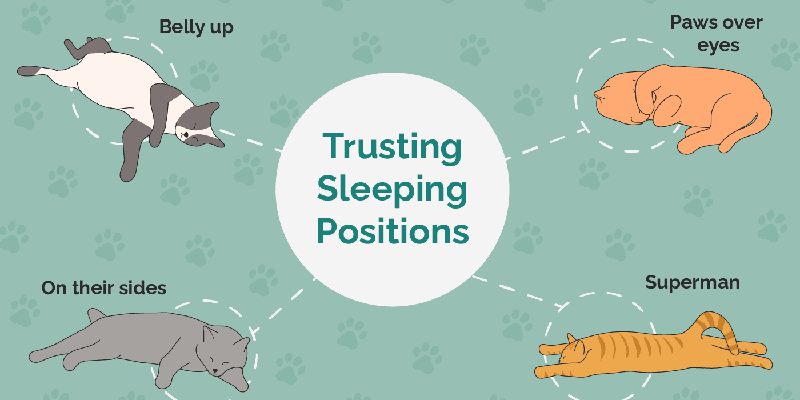
There is nothing quite as adorable (or tempting) as a cat lying flat on their back with their belly exposed and paws dangling in the air. In the wild, the stomach is a cat's most vulnerable spot. By showing it to you, they are saying they feel 100% safe in your presence.
However, don't be fooled! For many cats, this isn't an invitation for a belly rub. It's often a look but don't touch situation. If you reach in and get the claws, don't take it personally—they were showing off their comfort level, not asking for a massage.
The Crescent Or Curled Ball
This is perhaps the most common cat sleep position. By curling into a tight circle, cats protect their vital organs and keep their body heat locked in.
- Why do they do it: It's an ancestral instinct. Even though your living room is safe, their DNA tells them to protect their soft underbelly from potential predators.
- Temperature Check: If your cat is curled up tight, the room might be a bit chilly. If they start to uncurl as the afternoon goes on, they're likely warming up.
Understanding Kitten Sleep Positions: Why They're So Weird
If you think adult cats are strange, kitten sleep is on a whole different level. Kittens don't just sleep; they crash. You might find a kitten sleep positions gallery on your phone featuring them face-down in a food bowl or hanging halfway off a sofa.
Because kittens grow at an exponential rate, their bodies require extensive deep sleep. During these phases, you might see their whiskers twitch, or their tiny paws knead the air. This is completely normal! It's just their nervous system developing.
Kitten Sleep Tip: If you have multiple kittens, you'll notice the Kitten Pile. They sleep on top of each other for warmth and a sense of security that mimics being with their mother. If your lone kitten insists on sleeping on your neck or chest, they are simply using you as their big cat heat source.
The Side Sleeper: Deep REM Territory
When a cat flops onto their side with their legs stretched out, they are likely entering a heavy sleep cycle. This position indicates a high level of security. They don't feel the need to protect their belly or be ready to run.
This is the best time to leave them be. If you notice their legs kicking or they make little chirping noises, they are likely dreaming about that red laser dot they almost caught earlier.
The Superman: Cooling Down And Stretching Out
Does your cat lie flat on their belly with their front paws stretched forward and its back paws stretched behind? This is Superman.
You'll see this most often on hardwood floors, tiles, or marble surfaces. Why? Their belly is hairier than their paw pads, and pressing their underside against a cool surface helps regulate their body temperature. If you see this often, your cat might be feeling a bit too warm. Consider moving their bed to a breezier spot or turning on a fan.
What Cat Sleeping Positions Mean to You About Your Home
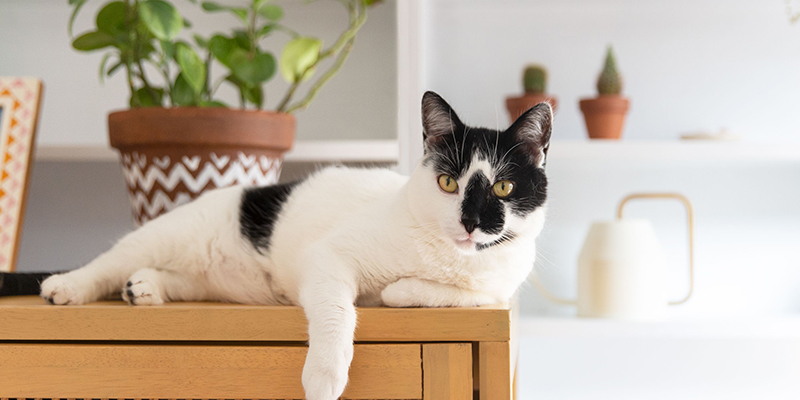
- High Places: If your cat prefers the top of the fridge or a high bookshelf, they are tree dwellers. They feel safest when they have a bird's-eye view of the territory (your living room).
- Under the Covers: Cave dwellers love to burrow. If your cat sleeps under the blankets or in a cardboard box, they are seeking total isolation and maximum warmth.
- The Box Habit: We all know cats love boxes. A box provides four walls of security, meaning they only have to worry about what's coming directly from the front.
When Should You Worry? Sleep Positions And Health
While most meanings of cat sleeping positions focus on comfort and personality, some can be red flags.
- Head Pressing: If you see your cat pressing their forehead firmly against a wall or furniture while sleeping or sitting, this is not a normal sleep position. It can indicate neurological issues or exposure to toxins. Seek a vet immediately.
- Sleeping in the Litter Box: This is a major sign of Stress or an underlying medical issue, such as a urinary tract infection (UTI). Cats generally value cleanliness; if they are sleeping where they go to the bathroom, something is wrong.
- Hunched Up: If your cat is loafing but looks tense, with their head lowered and back arched uncomfortably, they might be in pain.
Choosing The Right Bed Based On Their Style
Now that you know your cat's favorite pose, you can stop wasting money on beds they won't use.
- For the Curler: Get a donut bed with raised edges. It mimics the feeling of being tucked away.
- For the Side Sleeper/Superman: A flat, orthopedic mat or a large rectangular pillow gives them the room to stretch their limbs.
- For the Cave Dweller: Look for cat huts or igloo-style beds that offer a roof over their head.
A Quick Comparison: Kitten Vs. Adult Sleep
| Feature |
Kitten Sleep |
Adult Cat Sleep |
| Duration |
Up to 20 hours a day |
12–16 hours a day |
| Common Pose |
Random crash spots, piles |
Strategic, habitual spots |
| Twitching |
Very frequent |
Occasional (dreaming) |
| Depth |
Very deep; hard to wake |
Light catnaps mixed with deep sleep |
The Faceplant: The Ultimate Mood
Sometimes, a cat will lie its face flat against the floor or bury its paws. Usually, this is just their way of blocking out the light or keeping their nose warm. It's the feline equivalent of putting a pillow over your head when the sun comes through the window too early. It's adorable, relatable, and perfectly normal.
Understanding your cat's sleep habits is one of the best ways to bond with them. By recognizing when they want privacy (the curled ball) versus when they are feeling social and safe (the belly up), you can respect their boundaries and make your home a feline paradise.
Next time you catch your cat in a weird position, take a photo, check their pose meaning, and enjoy the fact that they feel safe enough to be their weirdest selves around you.
Related Posts
Cat Purring Meaning: Not Always Happiness, Here's Why
Is Your Dog Cold? How To Tell If They Need a Coat

What Is An ESA And Why Dogs Make The Best Companions
Adopting a Cat in 2026: Costs, Prep & Finding the Right Match

How to Pick Dog Daycare That Actually Works